




How to Dress for Gynecomastia: The Best Shirt Fits, Fabrics, and Styles to Build Confidence
If you've ever stood in front of a mirror tugging at your shirt, you already know the frustration. Gynecomastia affects up to 60% of men at some point in their lives. And for most of them, the hardest part isn't the condition itself. It's figuring out what to wear.
The good news? The right fit, fabric, and style can make a huge difference in how your chest looks and how you feel walking out the door. In this guide, we'll break down exactly what works, what doesn't, and how to dress with confidence while dealing with gynecomastia.
What Is Gynecomastia and Why Does It Affect How Clothes Fit?
Gynecomastia is the development of excess breast tissue in men. It's not the same as carrying extra weight around the chest. The tissue itself is denser and sits differently, which is why even guys in great shape can struggle with the way shirts fit.
According to the New Jersey Gynecomastia Center, one of the main causes is an imbalance between estrogen and testosterone. This can happen due to genetics, certain medications, or hormonal changes during puberty or later in life. The condition is surprisingly common and affects men of all ages and body types.
That's why standard sizing often falls short. A shirt that fits your shoulders might cling to your chest in all the wrong places. Or a looser fit might add bulk everywhere, making you look bigger than you are. Finding the right balance takes a little know-how.
Does the Right Shirt Actually Make a Difference?
Absolutely. The difference between a shirt that highlights gynecomastia and one that minimizes it often comes down to three things: fabric weight, fit type, and structure.
Many men dealing with gynecomastia avoid certain clothing altogether, which can take a real toll on confidence. The right approach to dressing isn't about hiding your body. It's about choosing pieces that work with your proportions, not against them.
Think of it like this. A thin, clingy T-shirt is going to show every contour. A heavyweight cotton tee with a bit of structure will drape across your chest naturally without sticking or revealing too much.

Best Fabrics for Gynecomastia
Fabric choice is where most guys can make the biggest impact with the least effort. Not all T-shirts are created equal, and the material alone can change how your chest looks.
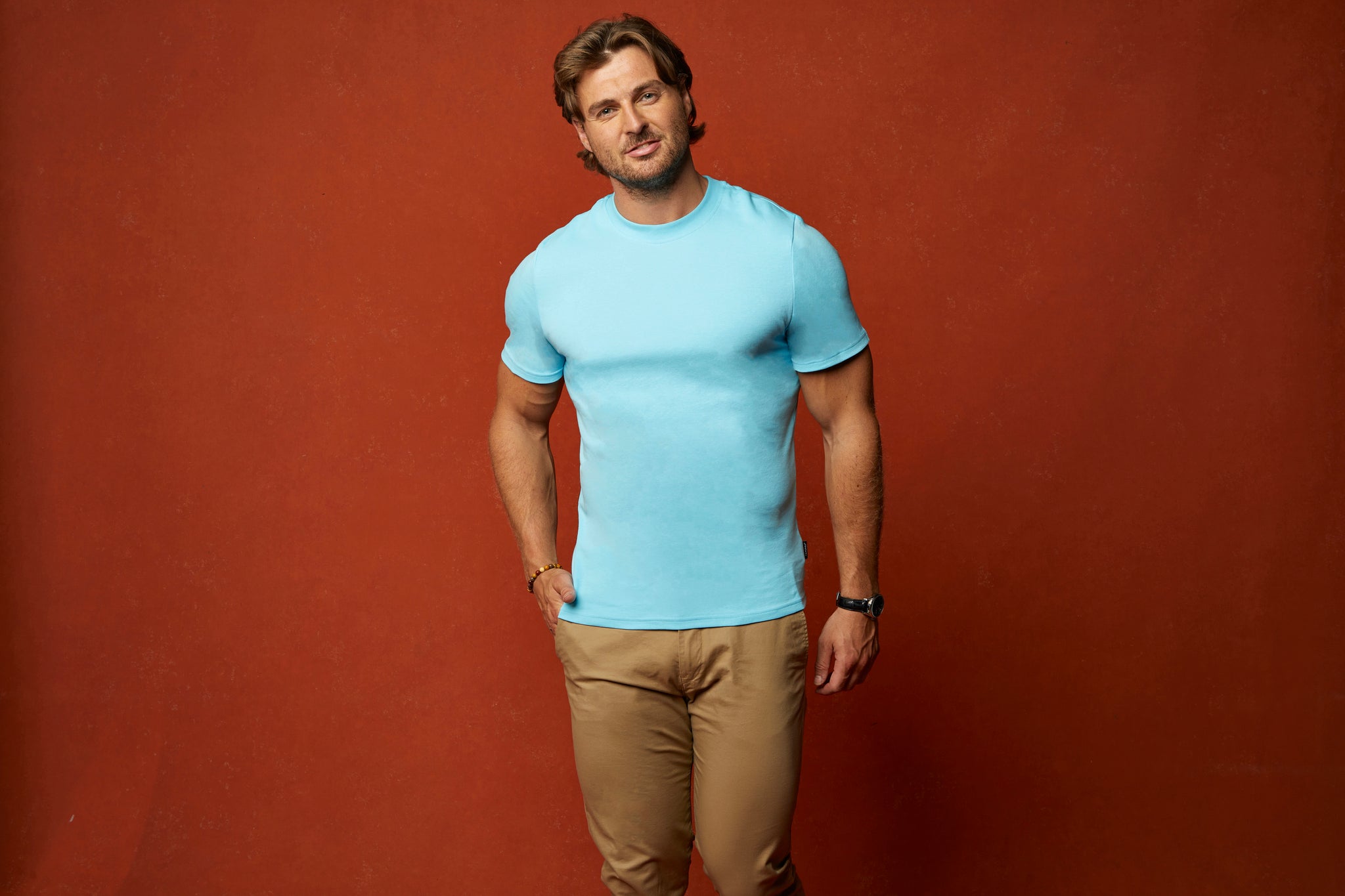
Heavyweight cotton is your best friend here. Thicker fabric doesn't cling to the body the same way a lightweight tee does. It creates a cleaner, smoother silhouette across the chest. Look for shirts in the 180-220 GSM range for that perfect middle ground between structured and comfortable.
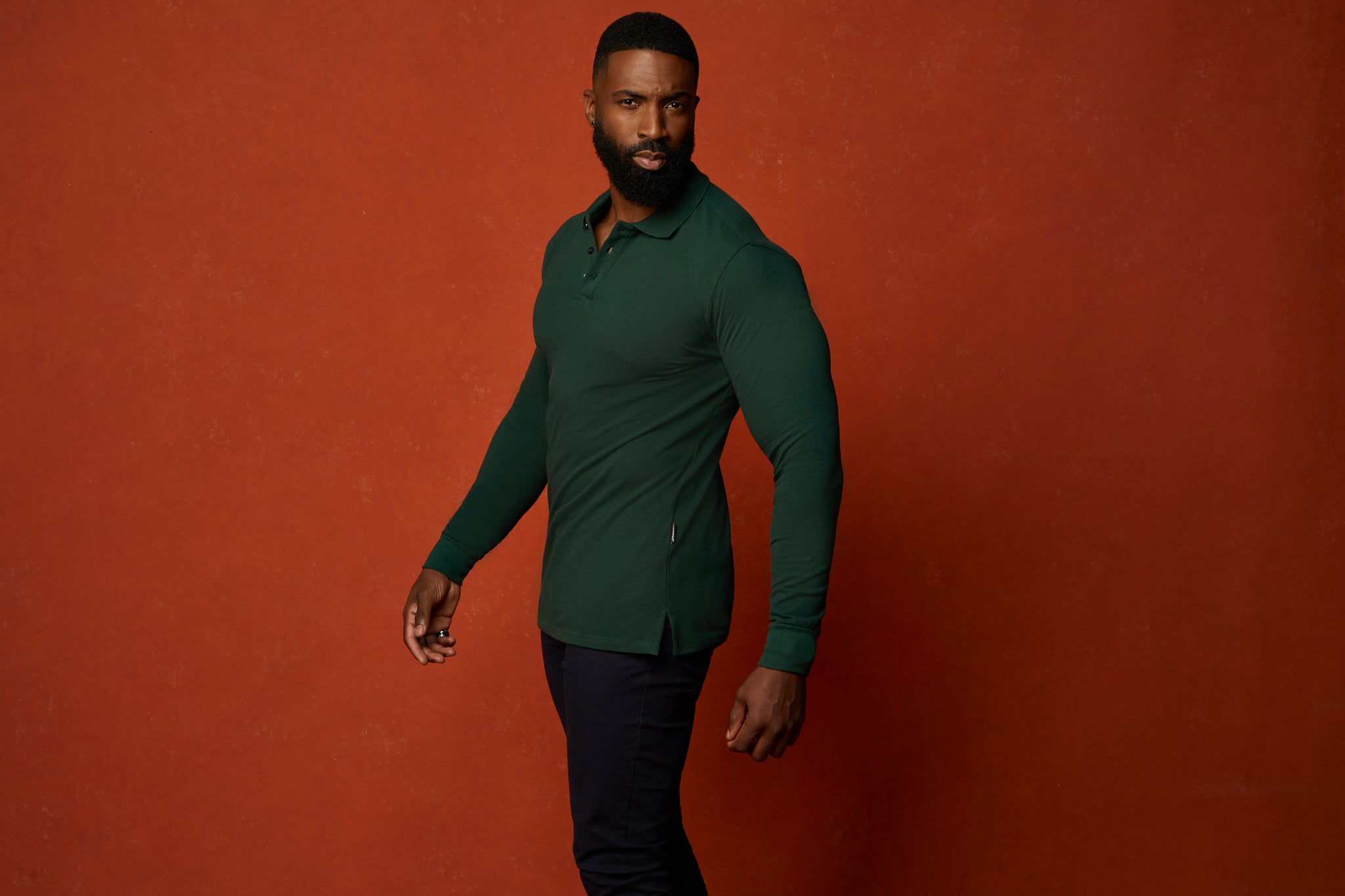
Pique cotton (the kind used in polo shirts) is another solid option. The textured weave breaks up the surface of the fabric, which naturally reduces the appearance of any contours underneath.
Denim and chambray shirts offer even more structure. They sit away from the body slightly and create a clean line across the chest. If you're looking for something a step up from a T-shirt, a well-fitted denim shirt is an excellent go-to.
There are a few fabrics you'll want to avoid. Thin jersey cotton, lycra blends, and anything with a shiny finish will cling to your chest and make gynecomastia more visible. The same goes for ultra-lightweight performance fabrics that compress against the skin.
Fit Types That Work Best
Fit is just as important as fabric. Too tight and the shirt will cling to your chest, outlining everything underneath. Too loose and you'll add visual bulk to your frame.
Here's what to look for.
Athletic Fit
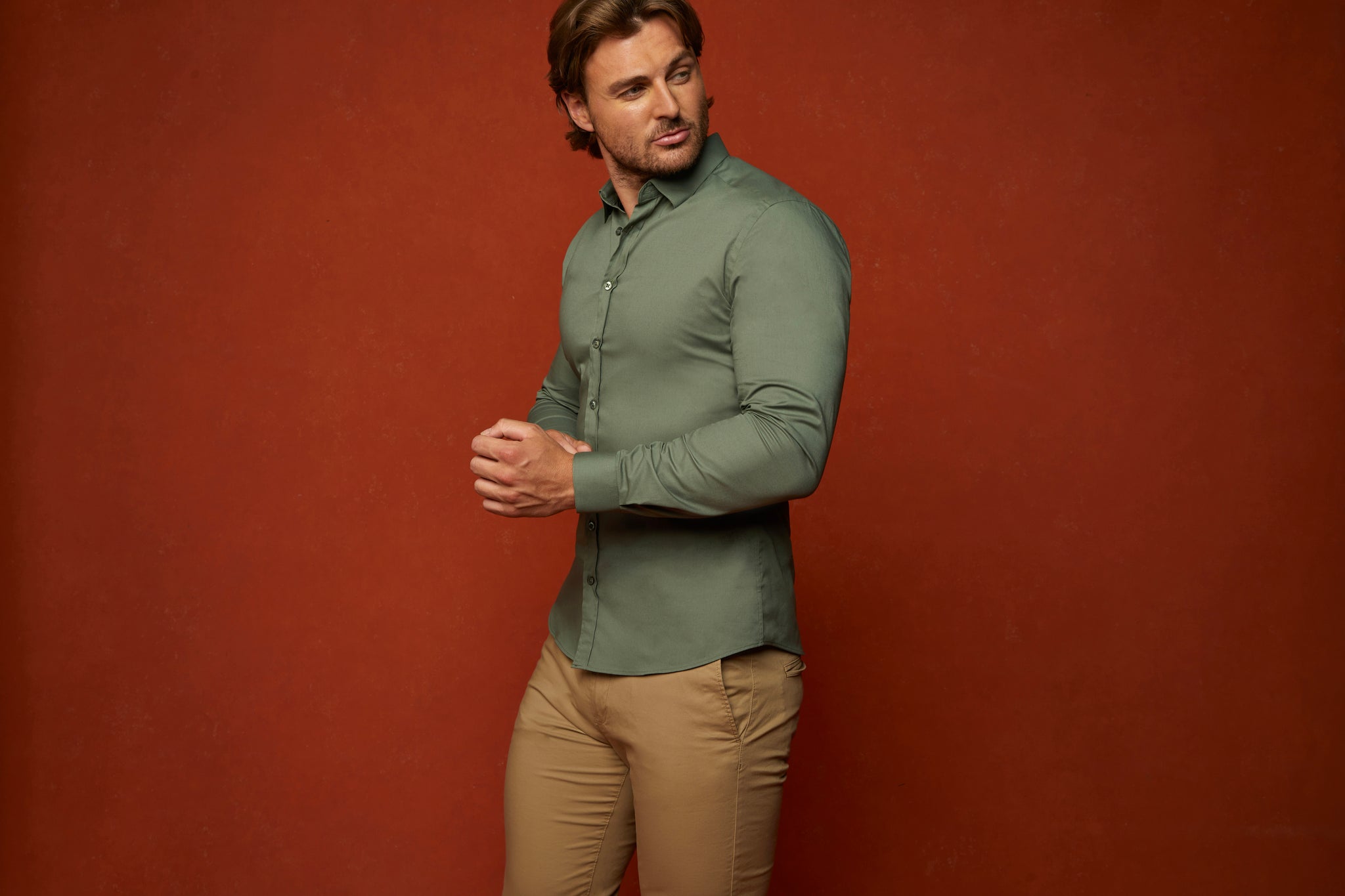
An athletic fit is designed for guys with a broader upper body and a narrower waist. This cut sits comfortably across the chest without pulling or pinching, then tapers down through the midsection. It's one of the best options for men with gynecomastia because it accommodates a fuller chest without drawing attention to it.
Tapered Fit
Similar to athletic fit but with an even sharper taper from chest to waist. The key benefit here is that it prevents excess fabric from pooling around your midsection. Extra fabric bunching at the waist actually pushes the eye upward toward the chest. A clean, tapered line keeps everything in proportion.
Muscle Fit
Muscle fit shirts are cut closer through the arms and shoulders while allowing room in the chest. If you've got a more athletic build alongside gynecomastia, this fit can be a great option. Just make sure the chest area isn't too tight. You want the fabric to skim, not squeeze.
What to Avoid
Slim fit and skinny fit shirts tend to compress against the chest, which makes gynecomastia more pronounced. Boxy, oversized fits go the other direction and add bulk to your entire frame. Neither is ideal. Aim for something in between that offers structure without compression.
Best Necklines for Gynecomastia
The neckline of your shirt plays a bigger role than most guys realize. It affects how the eye travels across your upper body and can either draw attention toward or away from the chest.
Crew Neck
A classic crew neck works well in most cases. It keeps the visual focus up near the face and collarbone. Pair it with a heavyweight fabric and you've got a solid, reliable combo.
V-Neck
V-necks can work in your favor if the V isn't too deep. A moderate V-neck elongates the torso and draws the eye downward in a vertical line, which can slim the appearance of the chest. Stay away from deep V-necks though. They expose too much of the chest area and can actually make gynecomastia more noticeable.
Henley
Henleys are an underrated option. The button placket creates a vertical line down the center of the chest, which breaks up the surface area and draws the eye in a flattering direction. They also tend to have a slightly thicker construction around the neckline and upper chest.
Color and Pattern Tips
Dark colors are your go-to for minimizing chest visibility. Navy, black, charcoal, and dark green all create a smooth, uniform appearance that doesn't highlight contours.
Light colors, especially white, are trickier. They show more texture and shape through the fabric. If you prefer lighter tones, stick to heavier fabrics or layer with an undershirt.
Patterns can also help. Small, all-over prints break up the chest area visually. Horizontal stripes, on the other hand, will widen the appearance of the chest. Stick to vertical elements or subtle textures whenever you can.
Layering Strategies That Help
Layering is one of the most effective tools for men dealing with gynecomastia. A well-placed layer adds structure and dimension without making you look overdressed.
Undershirts are a simple starting point. A fitted undershirt in a neutral tone creates a smooth base layer that helps prevent any show-through or clinging. Grey tends to work better than white under lighter shirts.
Open shirts over T-shirts are a great casual option. An unbuttoned denim or flannel shirt worn over a fitted tee creates vertical lines on either side of the chest. This naturally slims the torso and adds visual interest.
Lightweight jackets and blazers are the most effective layering tool. Even a casual unstructured blazer draped over a T-shirt can completely change your shape. The structured shoulders and lapels redirect the eye away from the chest.
What About Compression Garments?
Compression shirts and vests are popular among men with gynecomastia, and they can be helpful in certain situations. A good compression garment worn underneath a T-shirt will flatten the chest and create a smoother profile.
That said, compression isn't comfortable for all-day wear. It can feel restrictive, especially in warmer weather. It's a useful tool for certain occasions, but it shouldn't be your only strategy. The right shirt in the right fabric and fit will do most of the work on its own.
When Clothing Alone Isn't Enough
Dressing well can make a significant difference in how you look and feel. But for some men, gynecomastia reaches a point where clothing strategies only go so far.
If you've been dealing with persistent gynecomastia that doesn't respond to diet, exercise, or lifestyle changes, surgery may be worth considering. Male breast reduction is one of the most commonly performed cosmetic procedures for men. It involves removing excess glandular tissue and, in some cases, using liposuction to contour the chest for a flatter, more natural appearance.
The recovery is typically straightforward as most return to work within a week or two and resume full activity within about four weeks.
If you're curious about whether you might be a candidate, a gynecomastia specialist can help you understand your options and what results you can realistically expect.
Confidence Starts with the Right Fit
Gynecomastia doesn't have to dictate your wardrobe or your confidence. The right fabric, fit, and style choices can go a long way in helping you look and feel your best.
Start with heavier fabrics that drape naturally. Choose fits that accommodate your chest without compressing it. Use layering and color to your advantage. And if you reach a point where clothing solutions aren't cutting it, know that effective treatment options are available.
The goal isn't to hide who you are. It's to dress in a way that makes you feel like yourself.


