






Winter sales put dozens of jumpers in front of you, and most look alike on a hanger. The label, the gauge and the seams tell you far more than the price tag does. Here is how to read all three before you pay.
Start with the fibre, not the price
The first line on the care label does most of the work. Each of the big three fibres behaves differently, and none is simply the best.
Merino is a superfine wool from Merino sheep. Johnstons of Elgin and T.M. Lewin both describe it as temperature regulating, odour resistant and good at moving moisture away from the skin. In practice, you can wear it a few times between washes. The trade-off is gentler care: T.M. Lewin warns against hot washes and the tumble dryer.
Lambswool comes from a lamb's first shearing, according to the Johnstons glossary. It is soft, warm and breathable, but T.M. Lewin notes it is bulkier than merino and pills more readily.
Cashmere is taken from the undercoat of cashmere goats. It is prized for warmth for its weight and its softness, but it is delicate, prone to pilling and expensive.
Cotton knitwear sits apart. It breathes well and copes with frequent washing, but it insulates less than wool, so treat it as a layering or milder-weather piece rather than a December workhorse.

Gauge: the number that tells you the weight
Gauge is the number of stitches per inch. Pringle of Scotland and Johnstons of Elgin explain it the same way: a lower number means fewer, bigger stitches and a thicker knit, while a higher number means a finer, smoother one.
Pringle puts roughly 3 to 12 gauge in the chunky, autumn and winter bracket. It calls 12 gauge the classic medium weight for year-round layering, and anything finer suits lighter wear. Pringle also prints the gauge in its product descriptions, and it is worth looking for that detail from any brand.
Why it matters: Permanent Style points out that a fine 30-gauge knit sits neatly under a blazer, while a 15-gauge one is too thick for the job. So decide where the jumper will live before you choose the gauge.
Ply: the second number worth knowing
Ply is the number of yarn strands twisted together into one yarn. The Johnstons glossary says a higher ply generally gives a denser, warmer, sturdier fabric.
A two-ply fine merino and a chunky lambswool can share a colour and a price yet do completely different jobs. If the brand lists ply, use it alongside gauge to picture the weight before it arrives.
Turn it inside out and check the seams
This is the check most people skip. Fully fashioned knitwear is knitted into shaped panels on the machine, so nothing is cut away. Glenmuir explains that this gives flatter, neater seams, while cut and sew knitwear is cut from a large sheet of fabric and joined with bulkier, raised seams.
Fully fashioned pieces take more work, so they usually cost more. Cut and sew is not automatically bad, but thick seams at the shoulder and waist are what make a cheap jumper sit badly under a coat.
Pilling is not always a fault
Pilling is the small fibre balls that form on the surface from everyday friction. Johnstons says better fibres are less prone to it and that light bobbles come off with a de-pilling comb.
T.M. Lewin flags both cashmere and lambswool as prone to it, so a few bobbles on either are not proof you bought badly. Our view: heavy pilling after every outing is a different story.
Tapered's take
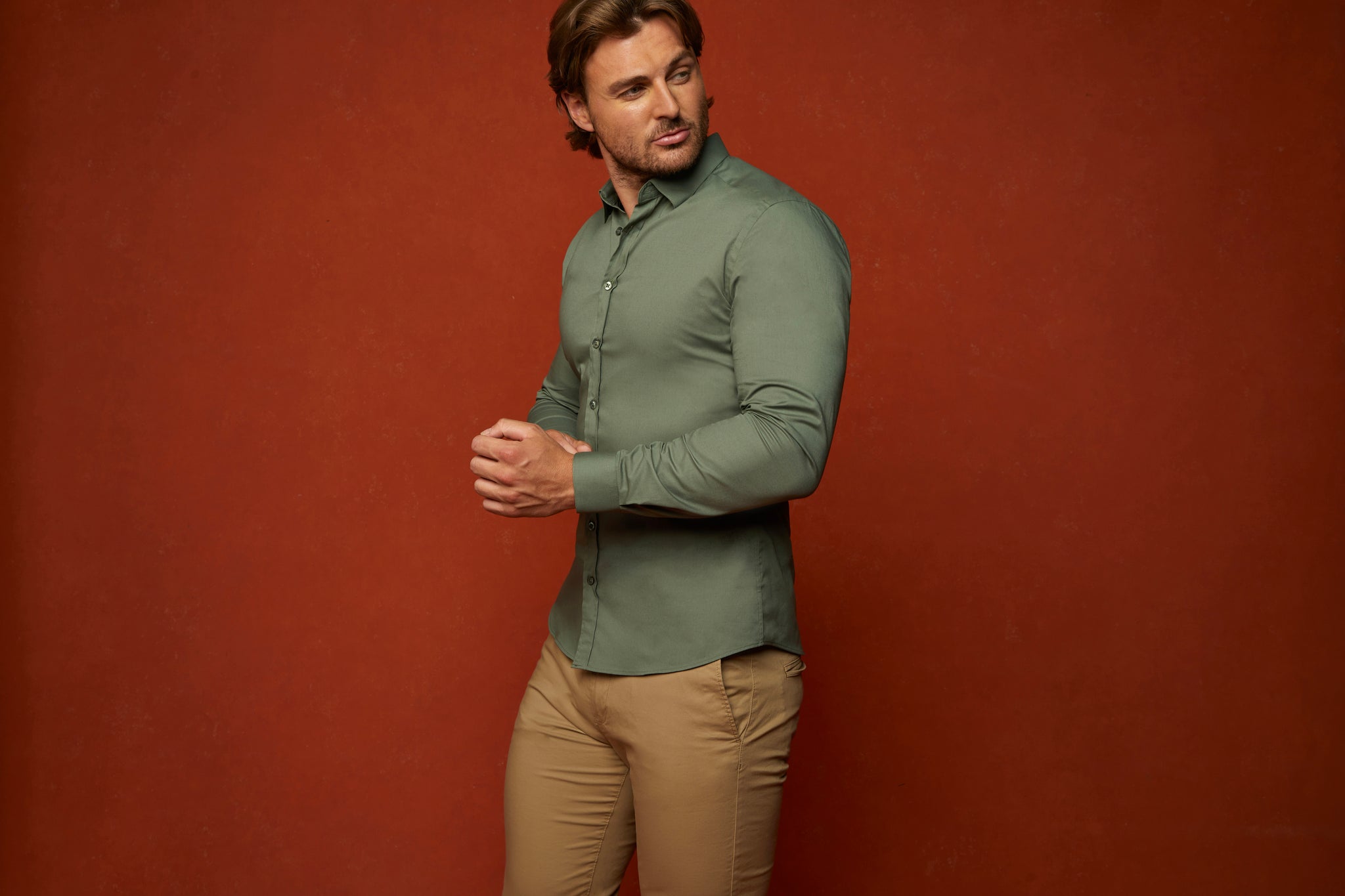
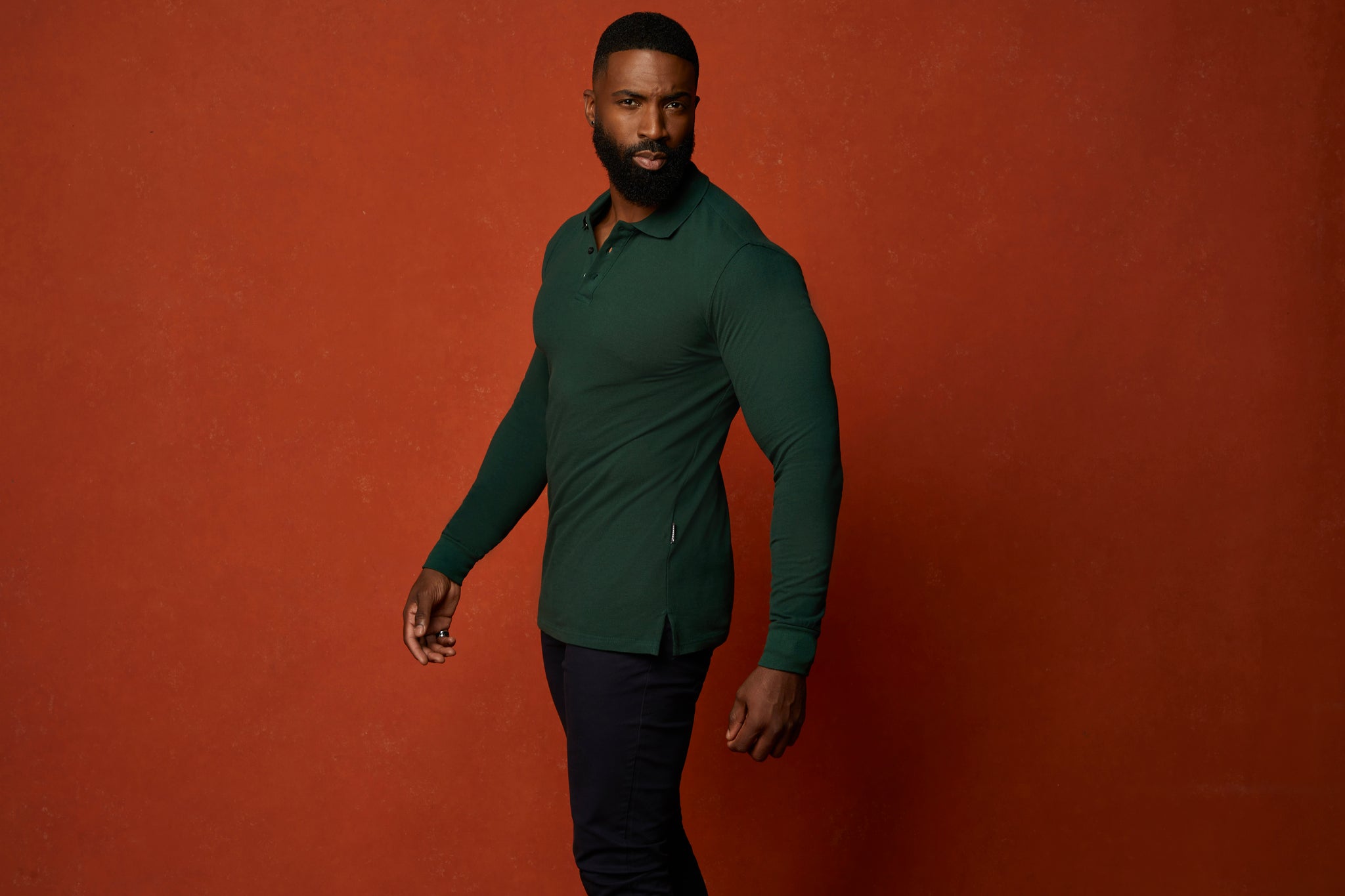
Our view, not a rule: if you only buy one jumper this winter, make it a mid-weight merino crew neck in navy, grey or a dark green. It layers over a shirt or polo, sits under an overcoat and goes in a gym bag without complaint.
If you train, pay attention to the shoulder seam and the sleeve. A fully fashioned jumper with flat seams lies cleanly over a bigger chest and arms, where a bulky seam tends to sit high and pull. Size for your shoulders, then check the body is not ballooning at the hem.
Save cashmere for the second purchase, once you know you will look after it.
The 30-second shop-floor routine
Read the fibre line. Look for the gauge or, failing that, judge the stitch size against where you will wear it. Turn the jumper inside out and run a finger down the shoulder seam. Rub a sleeve cuff between finger and thumb to see how it feels.
Four quick checks, and you will buy the jumper you actually want to wear.


